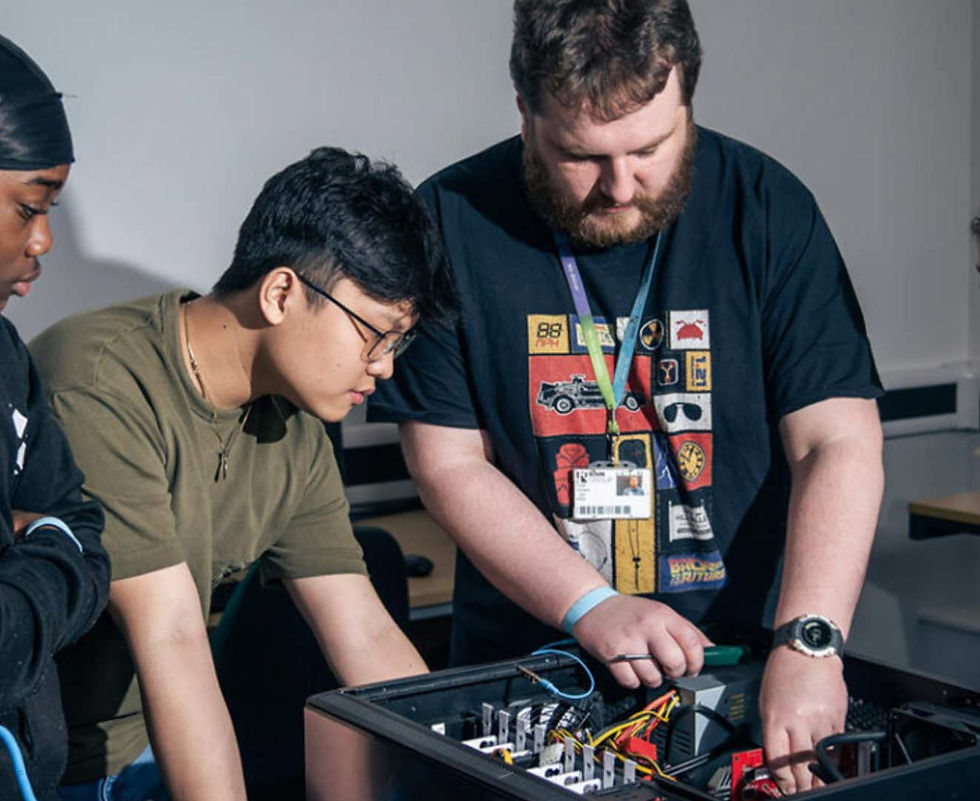
When a young person is struggling, their behaviour can often be the first thing people notice. However, behaviour is rarely the full story. It can be a way of communicating feelings, needs or difficulties that a child or young person may not yet be able to explain.
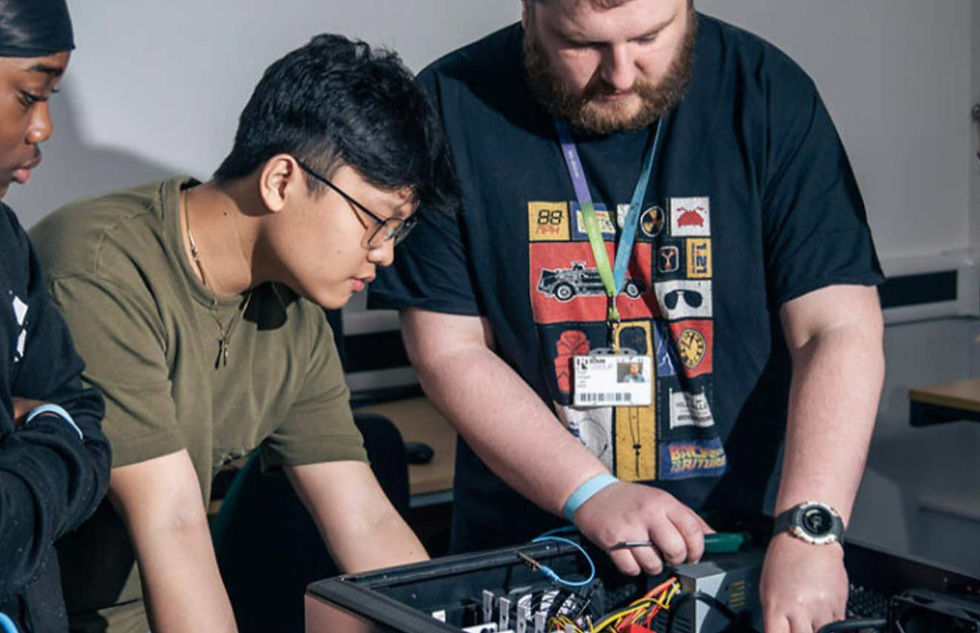
A pupil who appears angry, withdrawn, distracted or disruptive may be experiencing anxiety, low confidence, frustration, trauma, emotional overwhelm or difficulty understanding what is expected of them. For some young people, behaviour can become a way of saying that something does not feel manageable.
At OSMIS, we believe it is important to look beyond the behaviour and try to understand what may be happening underneath. This does not mean ignoring boundaries or expectations. It means responding with curiosity, consistency and care, so that the young person can begin to feel safe enough to reflect, communicate and make progress.
Mentoring and inclusion support can give young people the time and space to better understand their emotions, recognise triggers and develop more positive ways to respond. Through trusted relationships and structured support, young people can begin to build emotional literacy, confidence and self-awareness.
For schools and care partners, understanding behaviour as communication can help create more supportive conversations around need, support and next steps. It encourages a child-centred approach that focuses on progress rather than labels.
Every young person deserves to be understood. When we take the time to listen to what behaviour may be telling us, we create better opportunities for trust, learning and positive change.


